

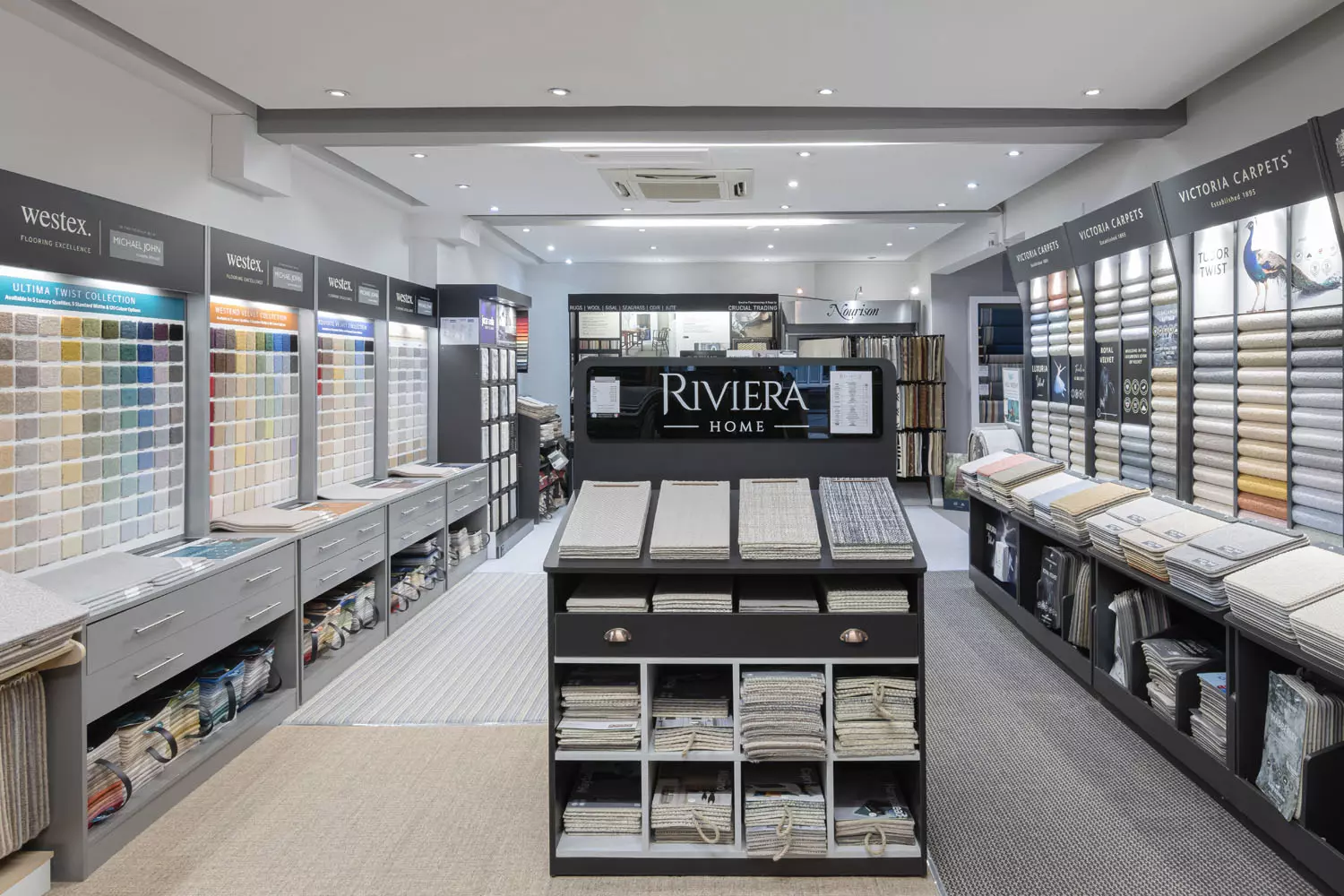
Carpet and Flooring Retailers: What to Know Before You Buy
Buying new flooring is one of those decisions that looks simple from the outside — until you're standing in a showroom surrounded by 300 carpet samples and a member of staff asking which way your natural light falls.
This guide covers what you actually need to know: the types of retailers out there, what to look for when comparing them, and how to get the best deal without making a decision you'll regret by Thursday.
What Carpet and Flooring Retailers Actually Offer
The best retailers do more than shift product. They help you avoid expensive mistakes.
Most good flooring showrooms carry a full range of materials — carpet, hardwood, laminate, LVT, vinyl — so you can compare options properly rather than committing to one category before you've seen the alternatives. Staff worth their salt will ask about foot traffic, pets, underfloor heating, and whether your subfloor is concrete or timber before making a recommendation.
What to expect from a quality retailer:
- A proper sample library, not just a few boards propped against a wall
- Honest advice about durability and maintenance, not just aesthetics
- A professional measure and fitting service
- Clear pricing upfront, including fitting and any subfloor prep
Types of Flooring: A Practical Overview
Carpet remains the most popular choice for bedrooms and living rooms. Nylon is the workhorse — durable, stain-resistant, good value. Polyester is softer but shows wear more quickly. Wool costs more but looks and feels better for longer. For style, plush gives a luxurious finish, Berber is harder-wearing, and frieze (twisted pile) hides footprints well.
Hardwood and engineered wood suit open-plan spaces and hallways. Engineered boards handle central heating and humidity better than solid wood, making them the more practical choice for most UK homes.
Laminate and LVT offer the look of wood or stone at lower cost, with easier maintenance. Modern LVT in particular has improved enormously — a good quality board is hard to tell apart from the real thing.
Why Local Retailers Often Beat the Chains
Chain flooring stores have their place, but local independents tend to offer a few things the nationals can't easily replicate.
The advice is usually better. When the person serving you also fitted your neighbour's staircase last month, they have a stake in getting it right. Independent retailers live and die by word of mouth, which concentrates the mind.
Stock is often more interesting, too. Independents can source from smaller suppliers and offer ranges the big chains won't carry. If you want something specific — a particular wool twist, a reclaimed oak effect, a carpet that works with underfloor heating — a local specialist is more likely to find it.
Fitting teams also tend to be in-house or long-standing. That matters. A poorly fitted floor looks terrible regardless of how much you spent on the material.
Visiting a Showroom: How to Make the Most of It
Don't rely on photos online. Flooring looks completely different in person — under different lighting, at different scales, against different colours. Take a large sample home before committing.
When you visit, bring:
- Photos of the room, including walls, furniture, and existing finishes
- A note of the room dimensions (or let them measure — most will do a free survey)
- Any skirting board or door threshold questions you want answered
Ask about lead times. Some flooring — particularly bespoke or imported products — can take several weeks to arrive. If you're working to a deadline, ask early.
What to Check Before Choosing a Retailer
Before committing, it's worth doing a bit of homework:
- Read recent reviews — not just the five-star ones. Look at how complaints were handled.
- Ask about the fitting team — are they employed in-house or subcontracted? How long have they worked with the retailer?
- Check the warranty — both on the product and on the fitting. A good fitter will stand behind their work.
- Get a written quote — including materials, fitting, gripper rods, underlay, door bars, and any floor preparation. Surprises on installation day are usually expensive.
A Note on Eco-Friendly Options
If sustainability matters to you, it's worth asking specifically. Many retailers now carry wool carpets (a natural, renewable fibre), recycled-content carpets made from reclaimed plastics, and FSC-certified hardwood and engineered flooring. Some LVT ranges have improved significantly on environmental credentials in recent years — though it's still a plastic product, so caveat accordingly.
Common Questions Worth Asking
Do I need to remove my existing floor? Sometimes, sometimes not. A good retailer will advise based on what's there and what you're putting down.
What underlay do I need? It varies by floor type and subfloor. Don't let a retailer fit cheap underlay on an expensive carpet — it affects both feel and longevity.
How long will fitting take? For a single room, typically half a day to a full day. Whole-house projects obviously take longer, and usually need to be planned room by room.
Can I supply my own flooring for fitting only? Some retailers will fit-only; others won't. Ask upfront if that's your plan.
The right flooring retailer will save you money in the long run — not just through competitive pricing, but by steering you away from products that won't perform in your specific situation. Take your time, visit in person, and don't be afraid to ask awkward questions. The ones worth buying from will welcome them.